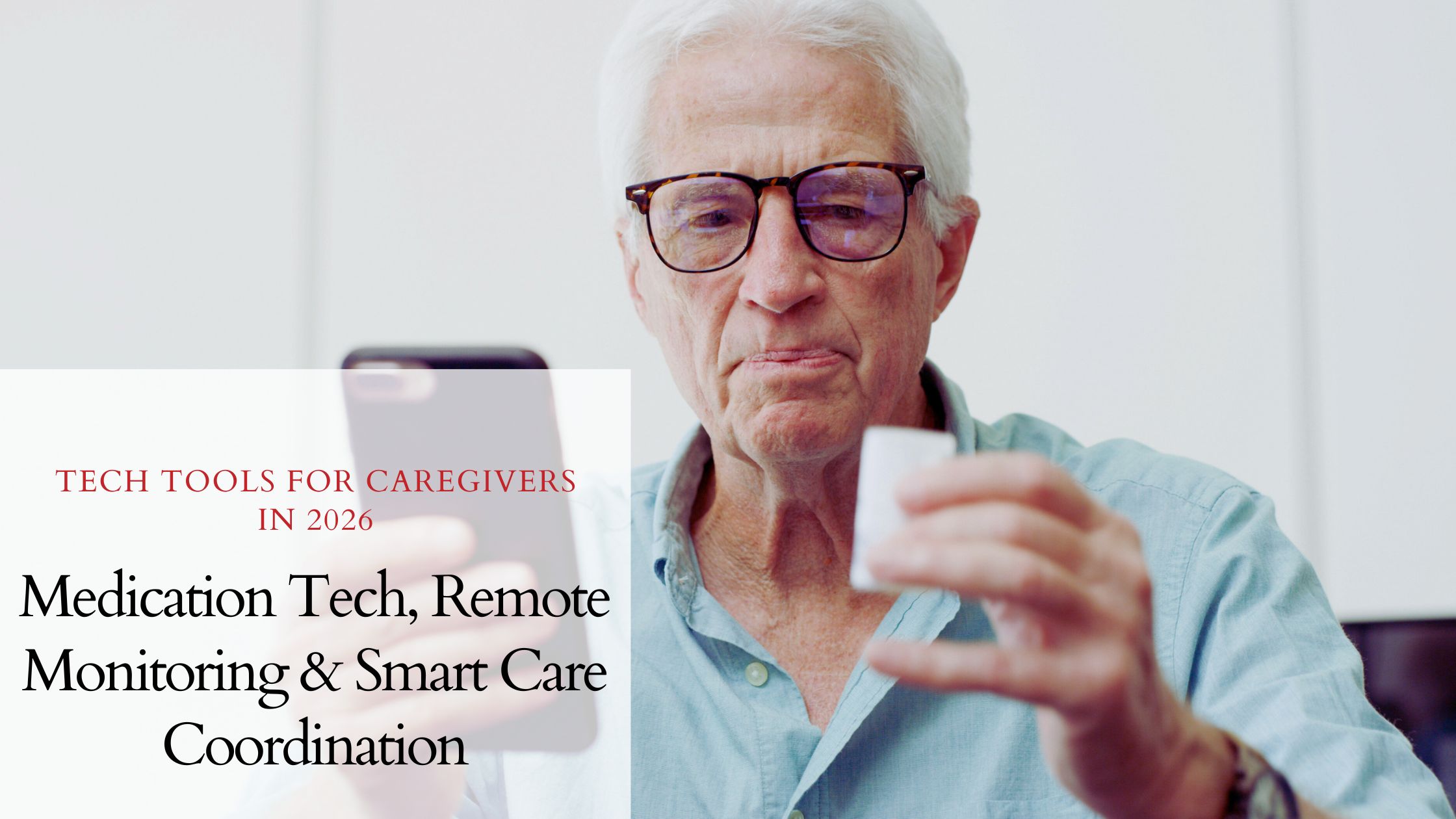
Tech Tools for Caregivers in 2026: Medication Tech, Remote Monitoring & Smart Care Coordination
Caregiving can be rewarding but also demanding — especially when balancing medication schedules, safety monitoring, and healthcare coordination. In 2026, caregiving technology has advanced significantly, offering tools that reduce stress, improve safety, and enhance independence for care recipients. This guide updates key tech tools — from smart medication systems to AI-enabled dashboards — that help caregivers streamline care effectively.
1. Smart Medication Management — Reducing One of the Biggest Burdens
Managing medications is one of the most error-prone and stressful parts of caregiving. 2026 caregiver tech includes both software and hardware solutions that help ensure doses are taken correctly and on time.
Medication Reminder Apps
Apps like Medisafe, EveryDose, MyTherapy, and CareClinic continue to lead for reminders, shared caregiver dashboards, and adherence tracking. Shared access keeps multiple family caregivers in sync.
Smart Pill Dispensers
Smart dispensers now often include:
Remote adherence notifications for caregivers
Bluetooth/Wi-Fi connectivity
Tamper-proof locks and safety alerts
Multiple daily dosage scheduling
Examples of caregiver-helpful dispensers include:
Pointells Automatic Pill Dispenser – Simple timed reminders with sound alarms
Colorwing 2025 Smart Pill Dispenser – 31-slot automated medication organizer with app alerts
Newer 2026 models also integrate with broader care networks to alert caregivers if doses are missed and, in some cases, share adherence data with healthcare providers.
2. Remote Monitoring: Eyes and Alerts When You’re Not There
Remote monitoring tools help caregivers stay informed about safety and routine without requiring constant physical presence.
Common categories include:
Fall and activity sensors (wearables and smart home sensors)
Smart door and motion detectors
GPS tracking for wandering risk
Video check-ins
Remote monitoring is now often integrated into centralized caregiver dashboards that bring together health data, medication schedules, and activity alerts.
3. Telehealth and Connected Care
Telehealth remains a core caregiver support tool:
Virtual visits with clinicians save time and travel
Remote health monitoring devices (e.g., blood pressure or glucose monitors) can transmit data directly to providers and caregivers
Mental health support platforms offer accessible emotional care
These tools reduce caregiver burnout by making healthcare more accessible and integrated.
4. AI-Enhanced Support and Care Coordination
In 2026, caregiver tech is also benefiting from advancements in AI and predictive analytics:
Tools that suggest routines and alert caregivers to patterns of concern
AI-based virtual assistants that help with reminders, daily tasks, and care coordination
Predictive insights that highlight deviations from normal patterns before they escalate
These capabilities go beyond basic reminders and move toward proactive support for caregivers.
Choosing the Right Tech
When evaluating caregiver tech, consider:
Ease of use: Devices should be intuitive for both caregivers and care recipients.
Integration: Syncing with apps and dashboards improves coordination.
Connectivity: Wi-Fi and cloud capabilities enable remote monitoring.
Security: Look for encrypted data and tamper-proof designs.
Cost & coverage: Some tools may be covered by Medicare or private insurers.
Conclusion
Technology cannot replace compassionate caregiving, but it can significantly reduce the workload, increase safety, and improve quality of life for both caregivers and care recipients. By combining smart medication management, remote monitoring tools, telehealth, and AI-enabled support, families can navigate caregiving challenges with greater confidence and peace of mind.
At Forrester Homecare, we understand that the most effective caregiving combines innovative tools with genuine human connection. Our personalized care plans incorporate technology in ways that enhance — not replace — compassionate support. We assist with medication management using reminder apps and smart dispensers, implement remote monitoring solutions to improve safety and oversight, and help families use communication tools that keep everyone informed and connected. With Forrester Homecare, families gain the reassurance of modern caregiving technology alongside the trusted presence of dedicated caregivers who deliver attentive, relationship-centered care every day.