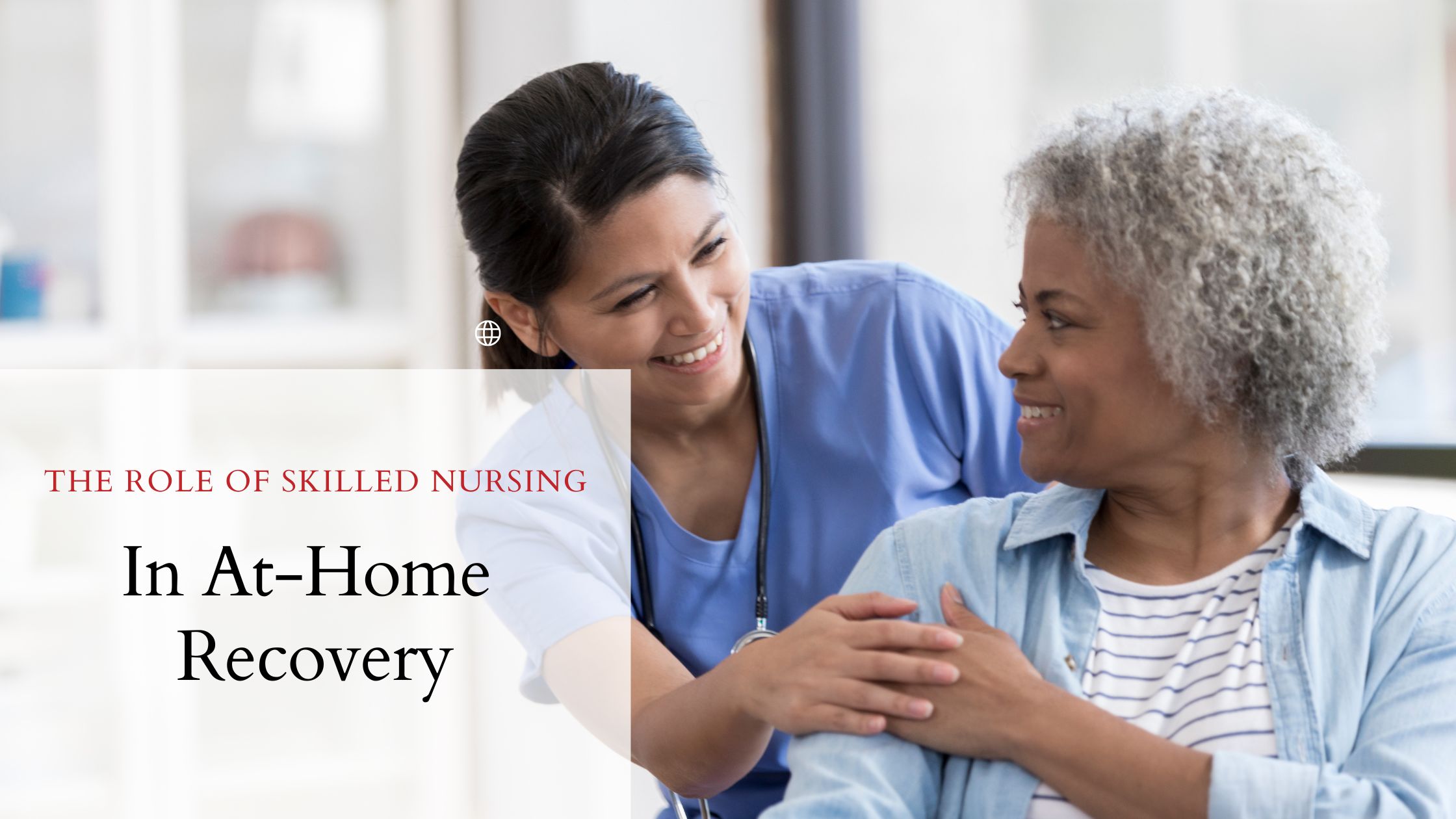
The Role of Skilled Nursing in At-Home Recovery
A Guide for Families Planning Safe Post-Hospital Care in Broward County
Hospital discharge is not the end of recovery — it is often the most critical phase.
Many families assume that once their loved one returns home, the danger has passed. In reality, the transition from hospital to home carries one of the highest risks for complications, medication errors, falls, and hospital readmission.
Understanding the role of skilled nursing in at-home recovery can dramatically improve outcomes and provide peace of mind during a vulnerable time.
Why the First 30 Days After Hospitalization Matter
Research consistently shows that seniors face the greatest risk of complications within 30 days of discharge. During this period, patients are adjusting to:
New medications
Wound care needs
Limited mobility
Fatigue and weakness
Ongoing monitoring requirements
Without proper oversight, small issues can quickly escalate.
This is where skilled nursing becomes essential.
What Is Skilled Nursing in a Home Care Setting?
Skilled nursing refers to medical-level care provided by a licensed nurse (RN or LPN) in the patient’s home through our Skilled Nursing services.
This is not basic assistance — it involves clinical oversight and professional medical management.
Services may include:
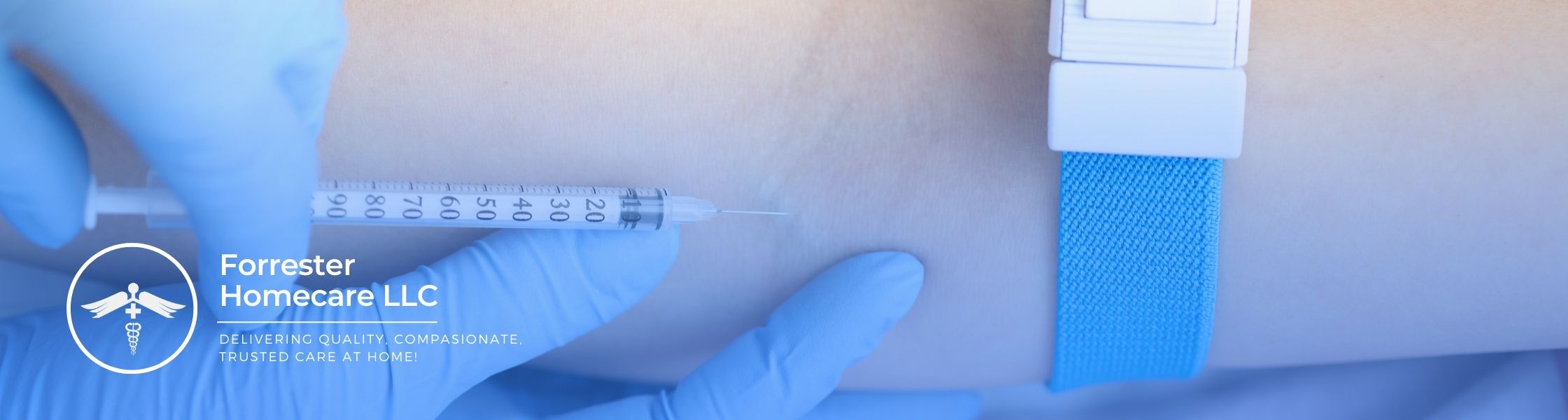
Medication administration and monitoring
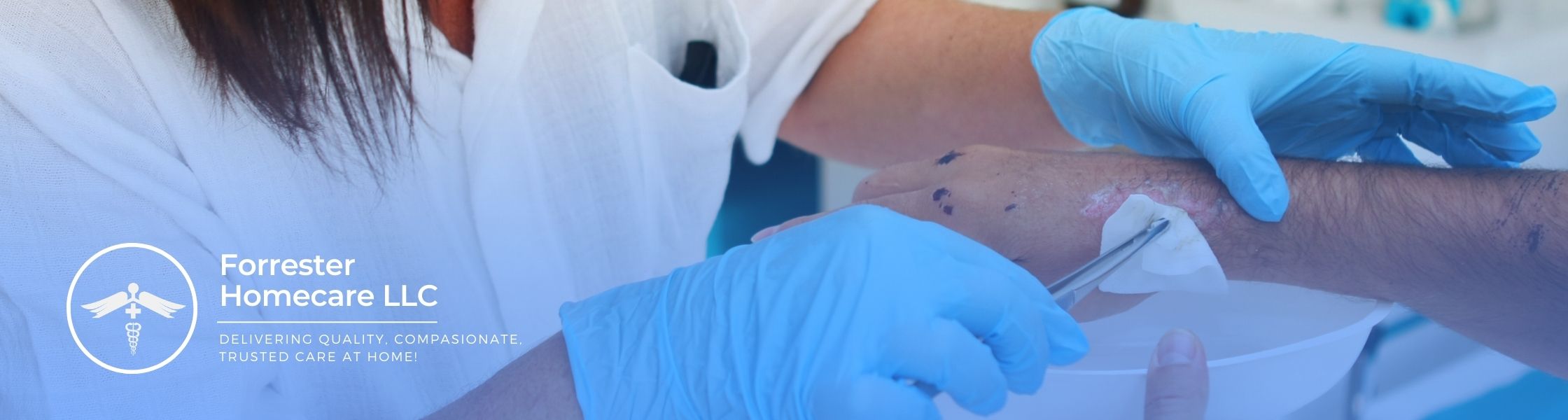
Wound care and dressing changes
Post-surgical monitoring
IV therapy management
Chronic disease management (diabetes, heart conditions, COPD)
Vital sign monitoring
Coordination with physicians
For families navigating recovery, this level of expertise reduces uncertainty and risk.
Conditions That Often Require Skilled Nursing at Home
Skilled nursing is especially beneficial after:
Post-Surgical Recovery
Joint replacements, cardiac procedures, abdominal surgery, and other major procedures often require wound management and close monitoring.
Stroke Recovery
Monitoring neurological changes and supporting mobility rehabilitation are critical in early stages.
Heart Conditions
Congestive heart failure and cardiac recovery require medication adjustments and symptom tracking.
Diabetes Complications
Insulin management and blood sugar monitoring must be consistent and accurate.
Complex Wounds or Infections
Improper wound care can delay healing and lead to hospitalization.
Skilled Nursing vs. Home Health Aide: Understanding the Difference
Many families confuse these services.
Our Home Health Aide services assist with:
Bathing
Dressing
Grooming
Meal preparation
Companionship
Skilled Nurses provide:
Clinical assessments
Medical treatment
Care plan adjustments
Physician communication
In many cases, both services work together to create a comprehensive recovery plan.
The Hidden Risk: Hospital Readmission
One of the biggest dangers after discharge is avoidable readmission.
Common causes include:
Medication errors
Infection
Dehydration
Falls
Poor wound care
Skilled nursing significantly reduces these risks through proactive monitoring and early intervention.
Preventing a second hospitalization not only protects health — it reduces emotional stress and financial burden.
The Emotional Side of Recovery
Recovery is not just physical.
Patients often experience:
Anxiety
Confusion
Fear of falling
Loss of confidence
Having a skilled nurse provide reassurance and education restores a sense of stability and control.
For family caregivers, professional oversight reduces the pressure of “getting it right.”
How Skilled Nursing Supports Care Planning
As part of January’s Care Awareness & Planning focus, skilled nursing plays a vital role in:
Identifying safety risks in the home
Adjusting recovery plans as conditions change
Educating family members
Coordinating with primary care physicians
Preventing small issues from becoming emergencies
Planning early — before a complication occurs — makes recovery smoother and safer.
When Should You Consider Skilled Nursing?
Consider a professional evaluation if your loved one:
Was discharged within the last 30 days
Has multiple medications
Has limited mobility
Requires wound care
Shows confusion about care instructions
Has chronic conditions requiring monitoring
Uncertainty itself is often a sign that professional guidance would be helpful.
The Importance of a Structured In-Home Assessment
A comprehensive in-home assessment allows a licensed nurse to:
Review discharge instructions
Evaluate medication management
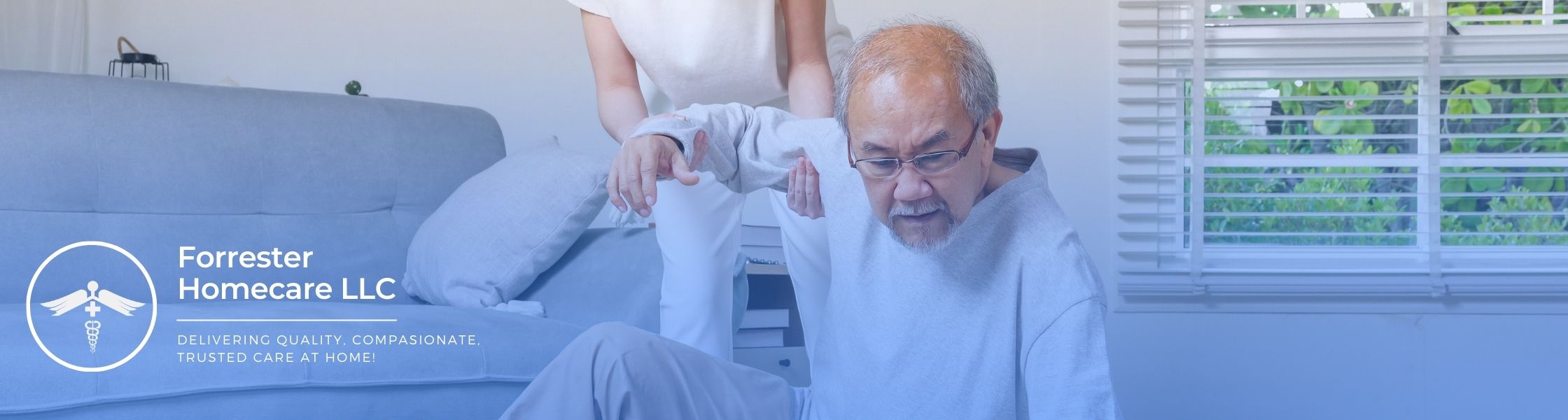
Assess fall risks
Identify environmental hazards
Determine whether skilled care is necessary
This assessment transforms guesswork into a clear, personalized care plan. Families unsure about next steps can schedule a Free In-Home Assessment to receive professional guidance.
Recovery Is Strongest at Home — With the Right Support
Many seniors recover more comfortably in their own homes. However, successful at-home recovery requires professional structure and oversight.
Skilled nursing bridges the gap between hospital and independence.
It protects health.
It reduces risk.
It provides peace of mind.
How Forrester Homecare Supports At-Home Recovery in Broward County
At Forrester Homecare, our nurse-led team provides personalized skilled nursing services designed to support safe recovery and long-term stability.
We begin with a Free 60-Minute In-Home Safety & Care Assessment to determine the appropriate level of support and create a customized plan.
Our goal is simple:
Protect independence while preventing avoidable complications.
Schedule Your Free Assessment Today
If your loved one has recently been hospitalized or is preparing for surgery, early planning makes all the difference.
Contact Forrester Homecare to schedule a professional in-home assessment and ensure recovery begins with confidence.
Serving Fort Lauderdale and Broward County families with compassion and clinical excellence.