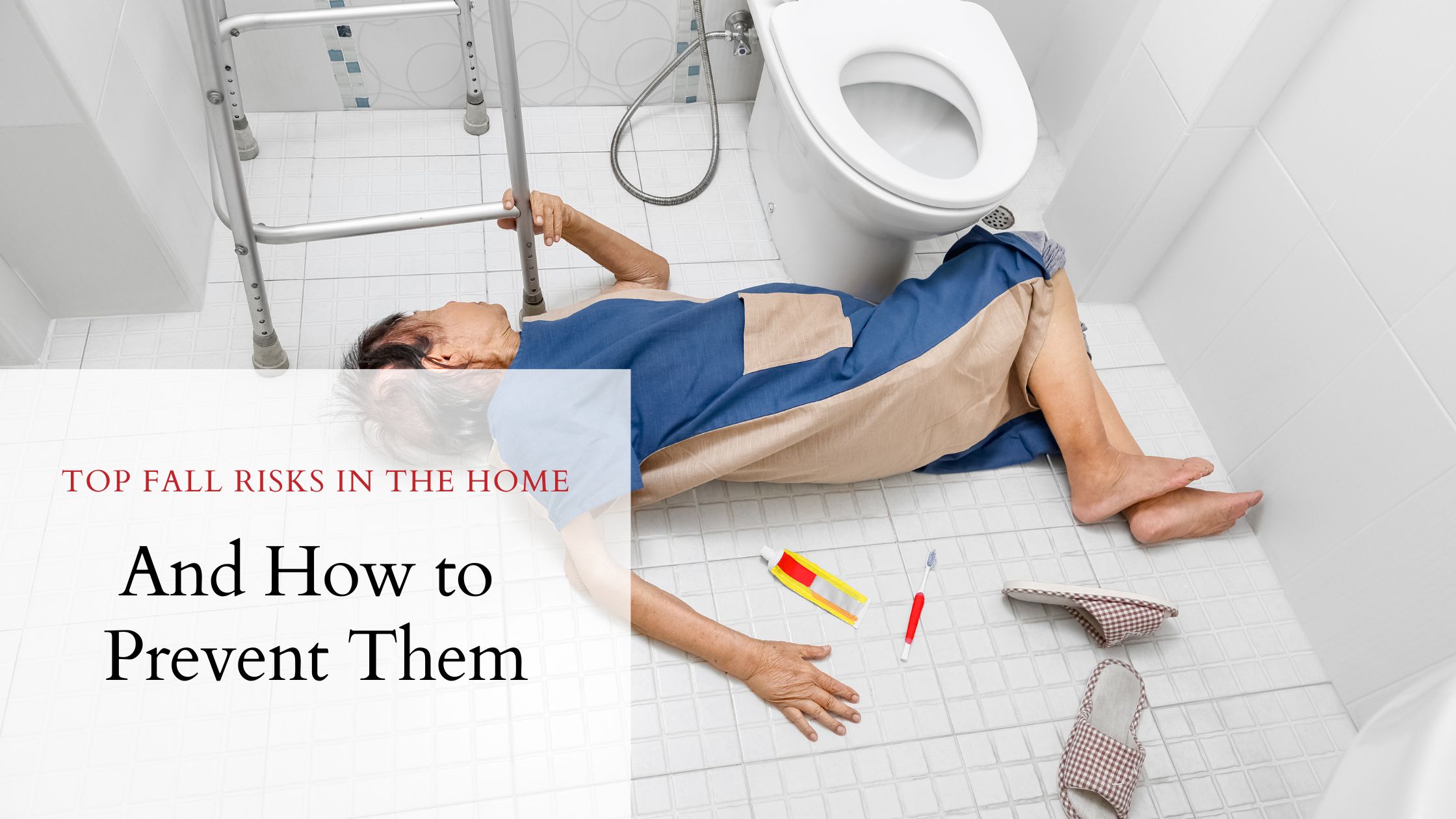
Top Fall Risks in the Home and Fall Prevention for Seniors
Top Fall Risks in the Home - And How to Prevent Them
Falls are one of the leading causes of injury among older adults—and most happen at home.
Yet here’s the uncomfortable reality:
Falls are rarely “accidents.” They are predictable and preventable.
If you’re caring for an aging parent or loved one, understanding the most common fall risks is the first step toward keeping them safe, independent, and out of the hospital.
Why Fall Prevention Matters
1 in 4 seniors falls each year
Falls are the leading cause of injury-related hospital visits
Even a minor fall can lead to long-term loss of independence
This isn’t just a safety issue—it’s a quality-of-life issue.
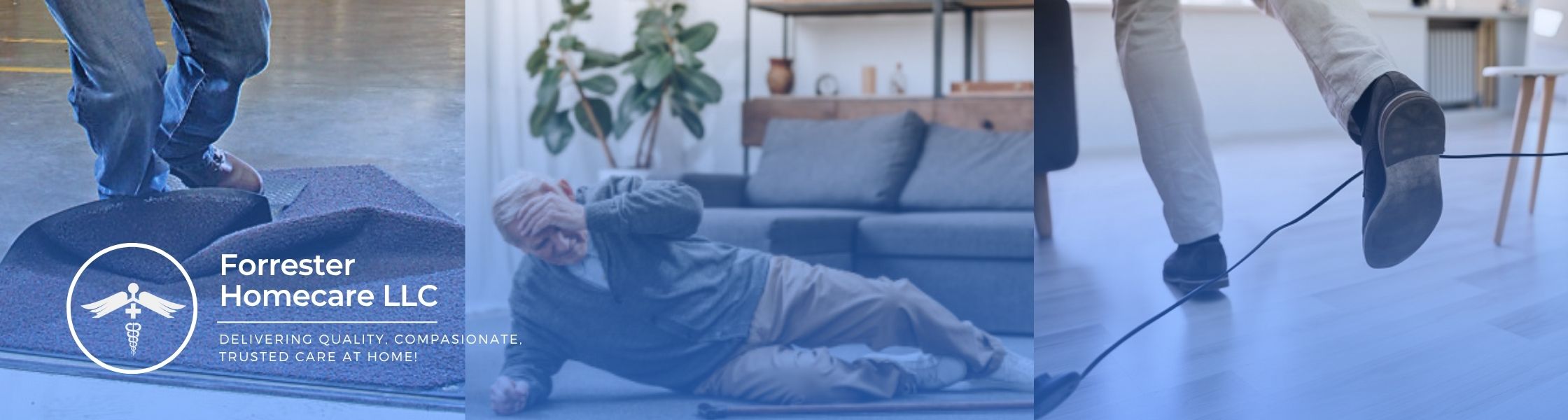
1. Clutter and Trip Hazards
Risk:
Loose rugs, electrical cords, and crowded walkways create immediate fall danger.
What most people get wrong:
They underestimate “small” obstacles. But for someone with reduced balance, a single misplaced object is enough.
Prevention:
Remove loose rugs or secure them with non-slip backing
Keep floors clear of cords, shoes, and clutter
Create wide, open walking paths
2. Poor Lighting
Risk:
Dim or uneven lighting makes it difficult to detect obstacles and judge depth.
Hidden factor:
Vision decline + poor lighting = exponential risk increase.
Prevention:
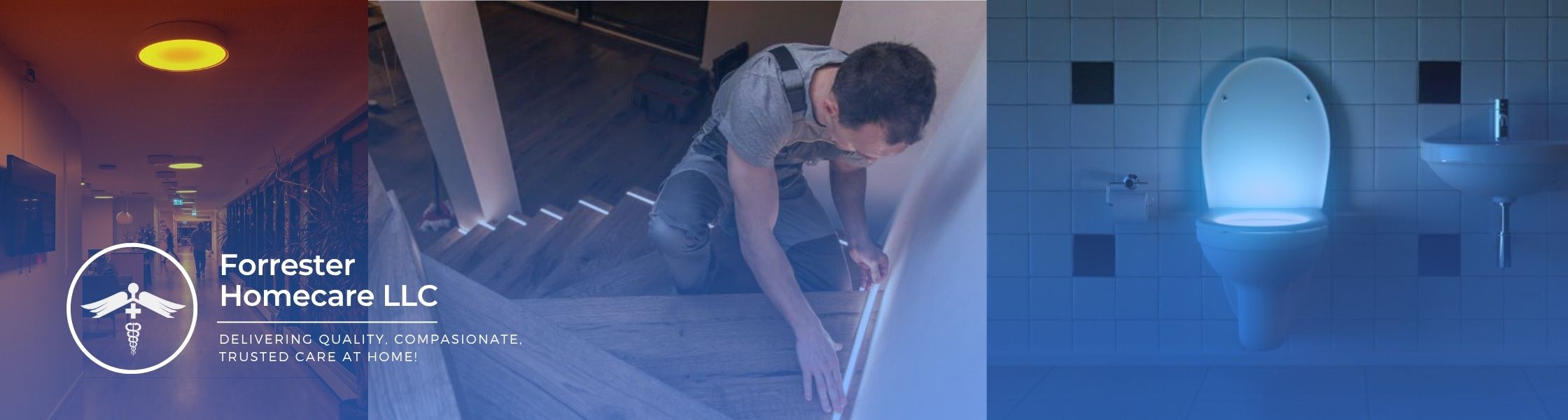
Install bright, consistent lighting throughout the home
Add nightlights in hallways, bedrooms, and bathrooms
Ensure light switches are easy to access
3. Slippery Bathrooms
Risk:
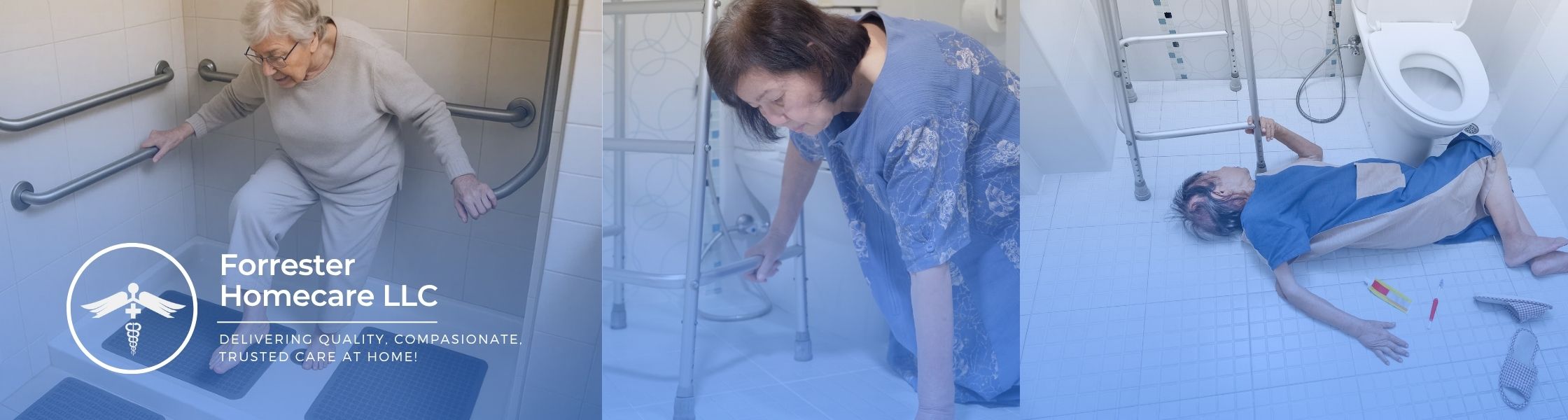
Bathrooms combine water, smooth surfaces, and limited space—making them one of the most dangerous areas in the home.
Where falls actually happen:
Getting in/out of the shower
Standing up from the toilet
Wet floors after bathing
Prevention:
Install grab bars near toilets and inside showers
Use non-slip mats
Consider a shower chair or walk-in shower
4. Unsafe Stairs
Risk:
Stairs require strength, balance, and coordination—three things that often decline with age.
Common oversight:
Many homes have only one handrail—or none.
Prevention:
Install sturdy handrails on both sides
Add high-contrast strips to step edges
Keep stairs completely clear
5. Reaching or Bending for Everyday Items
Risk:
Reaching overhead or bending down shifts balance and increases fall likelihood.
Typical scenarios:
Getting items from high kitchen cabinets
Picking up objects from the floor
Using unstable step stools
Prevention:
Store frequently used items at waist-to-shoulder height
Avoid step stools whenever possible
Reorganize storage for accessibility
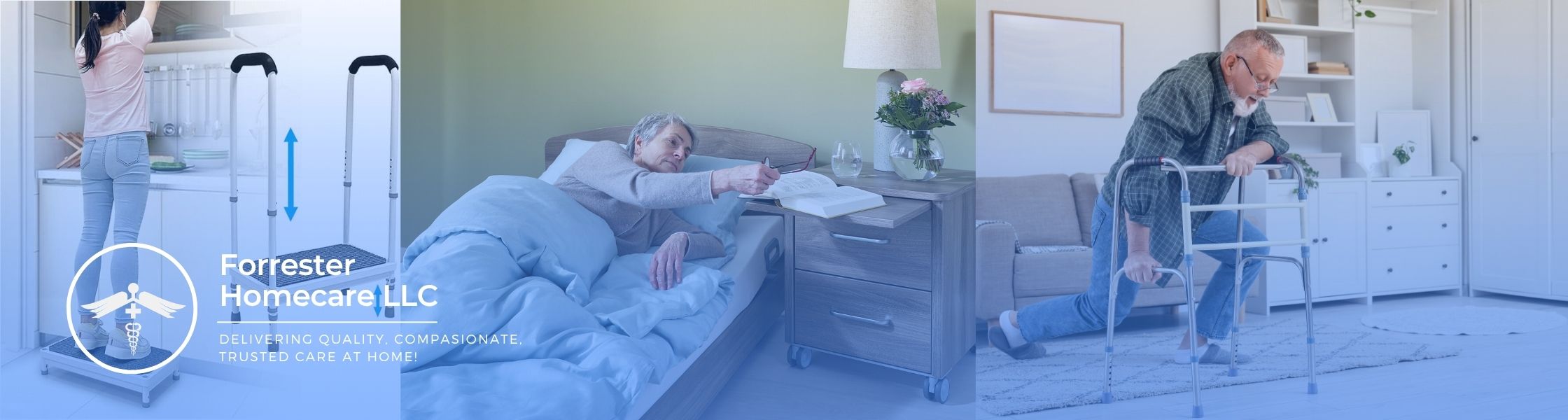
6. Lack of Support Features
Risk:
Without physical support, routine movements become unsafe.
This is where most homes fail:
They’re not designed for aging bodies.
Prevention:
Install grab bars in key areas
Add stable seating for dressing or bathing
Use mobility aids when needed
7. Underlying Health and Mobility Issues
Risk:
Not all fall risks are visible. Internal factors often go ignored.
Examples:
Muscle weakness
Balance issues
Medication side effects
Dizziness or fatigue
Prevention:
Encourage strength and balance exercises
Review medications regularly
Monitor changes in mobility or confidence
The Real Takeaway
If you think fall prevention is about “being careful,” you’re already behind.
It’s about redesigning the environment to remove risk entirely.
Most families wait until after a fall to act. That’s reactive—and costly.
The smarter approach is proactive.
How Forrester Homecare Helps Reduce Fall Risk
Fall prevention isn’t a one-time checklist—it requires ongoing attention.
Forrester Homecare caregivers help by:
Identifying hidden fall risks in the home
Assisting with safe movement and daily routines
Providing consistent supervision and support
Reducing the likelihood of hospitalizations
The goal isn’t just safety—it’s maintaining independence longer.